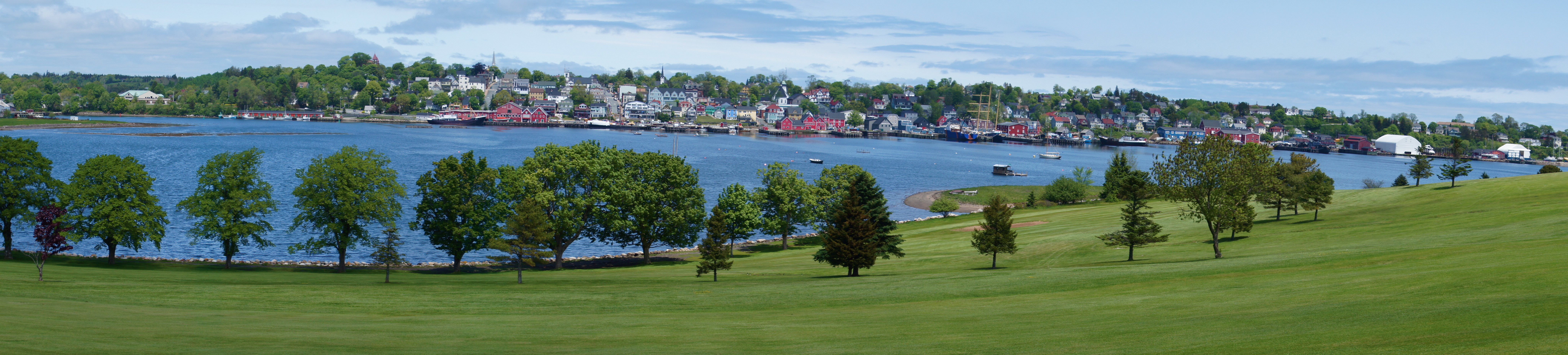
Old Town Lunenburg
The best-surviving planned British colonial settlement in North America, and how its 1753 grid still orders the town today.
Read recordQuiet And Home documents the harbours, vernacular buildings, and working traditions of Nova Scotia and Newfoundland's coastal communities — from the colonial grid of Lunenburg to the painted rowhouses of St. John's.
1753
Year Lunenburg was laid out on its grid plan
1995
Old Town Lunenburg inscribed by UNESCO
2
Provinces in focus: Nova Scotia & Newfoundland
3
Heritage records published below
Each entry focuses on a specific town, a building type, or a shoreline practice, with publicly available references for further reading.
The best-surviving planned British colonial settlement in North America, and how its 1753 grid still orders the town today.
Read record
Lighthouses, fishing stages, and the "Lunenburg bump" dormer — reading a coast through its built fabric.
Read record
Schooner building, the inshore fishery, and the seasonal calendar that still shapes community life.
Read record
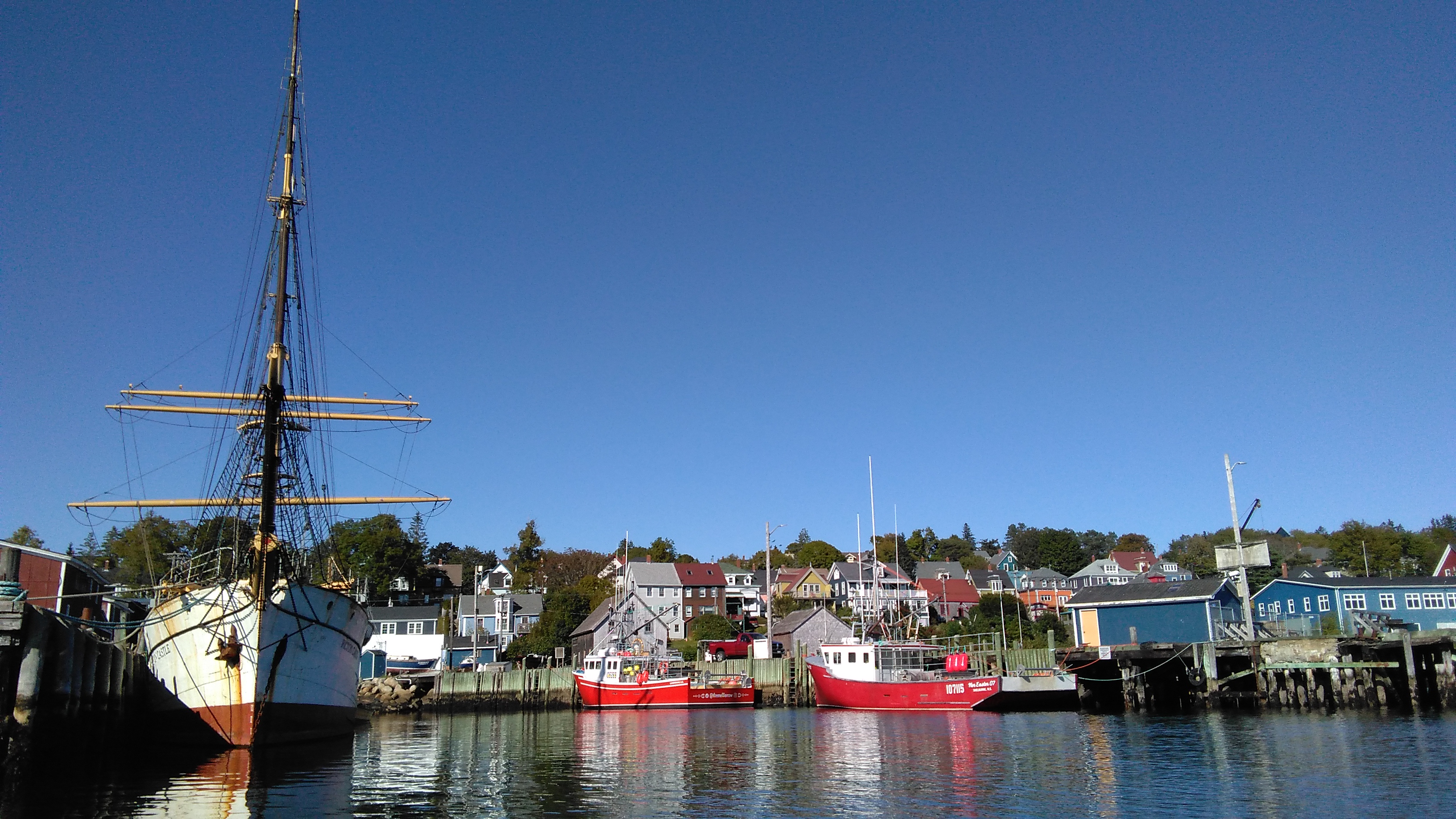
Atlantic Canada's harbour towns grew around fishing, shipbuilding, and trade rather than around a single industry headquarters. That history is legible in their street grids, in the scale of their houses, and in the survival of working waterfronts.
The painted rowhouses of St. John's, sometimes called "Jellybean Row," and the colour-washed timber houses of Lunenburg are two distinct local answers to the same northern climate and the same need to mark one building from the next along a steep shore.
Use the form below to reach the editorial desk. Fields are checked in your browser; nothing is transmitted to a server from this static page.